Industry
Music Streaming
Company
Pratt Institute
Timeline
2026
Services
Component Design, Design Systems, Information Architecture
Personalization starts with feeling safe
Story
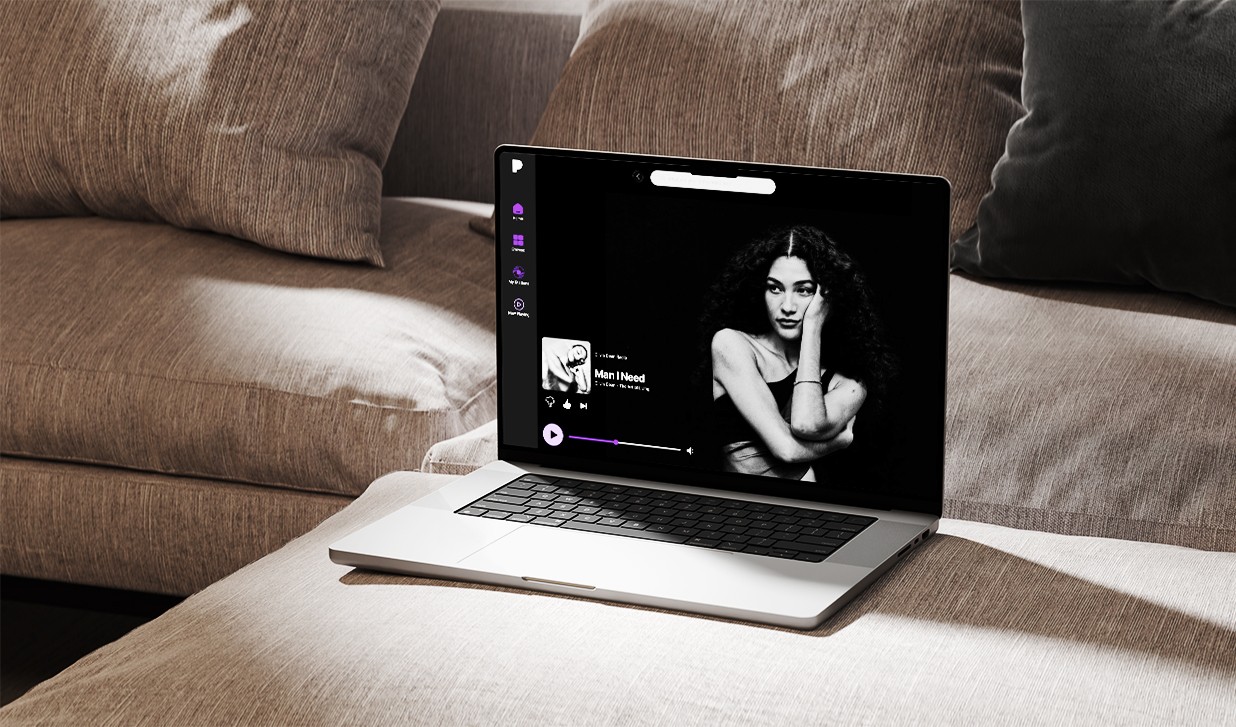
Pandora invented the personalized radio station. It pioneered the Music Genome Project and introduced a generation to the idea that an app could learn what you want to hear. But as competitors built their interfaces around the music, Pandora kept building around the app. This redesign asked one question: what would it look like if the music came first?
Challenge
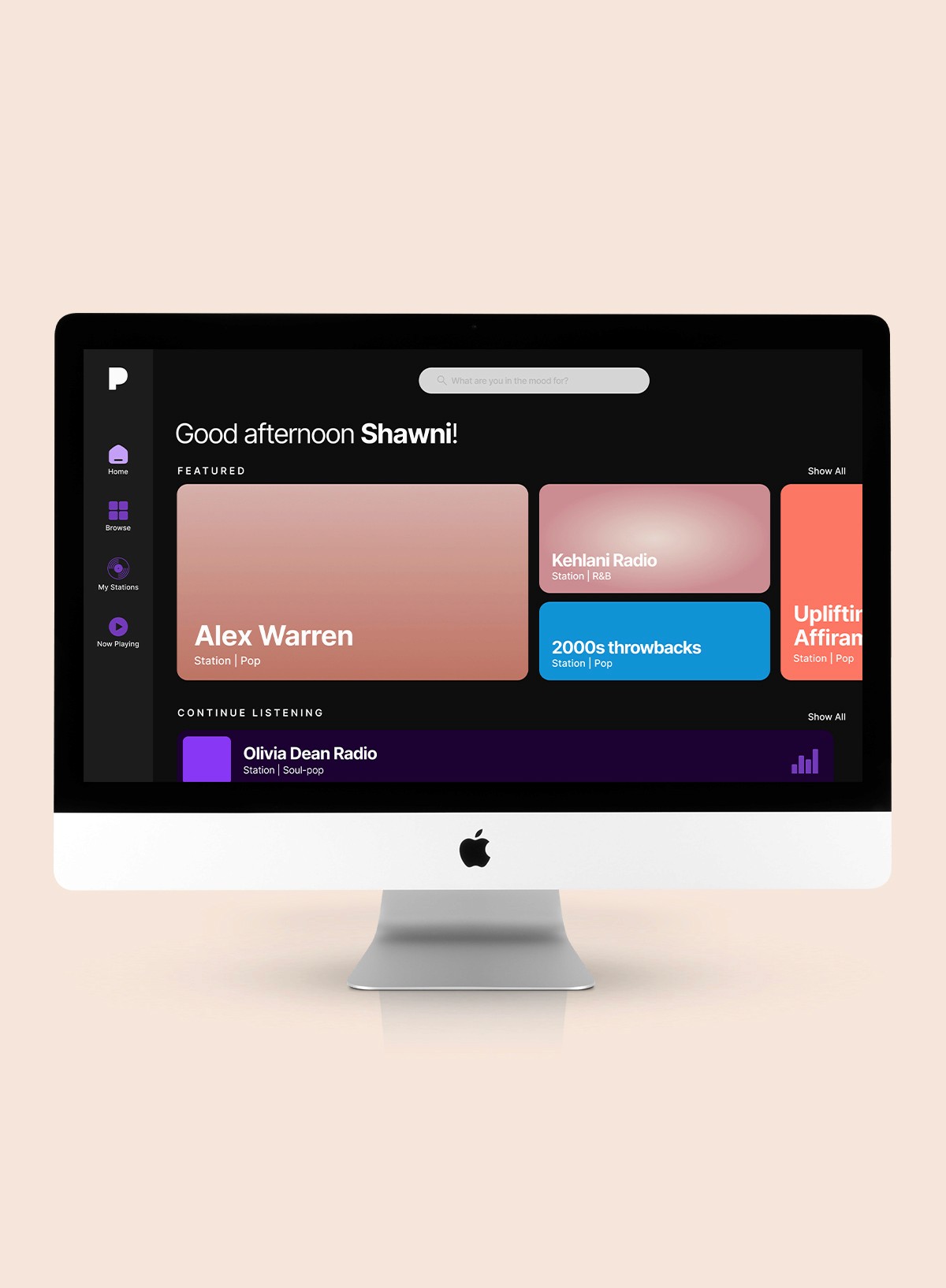
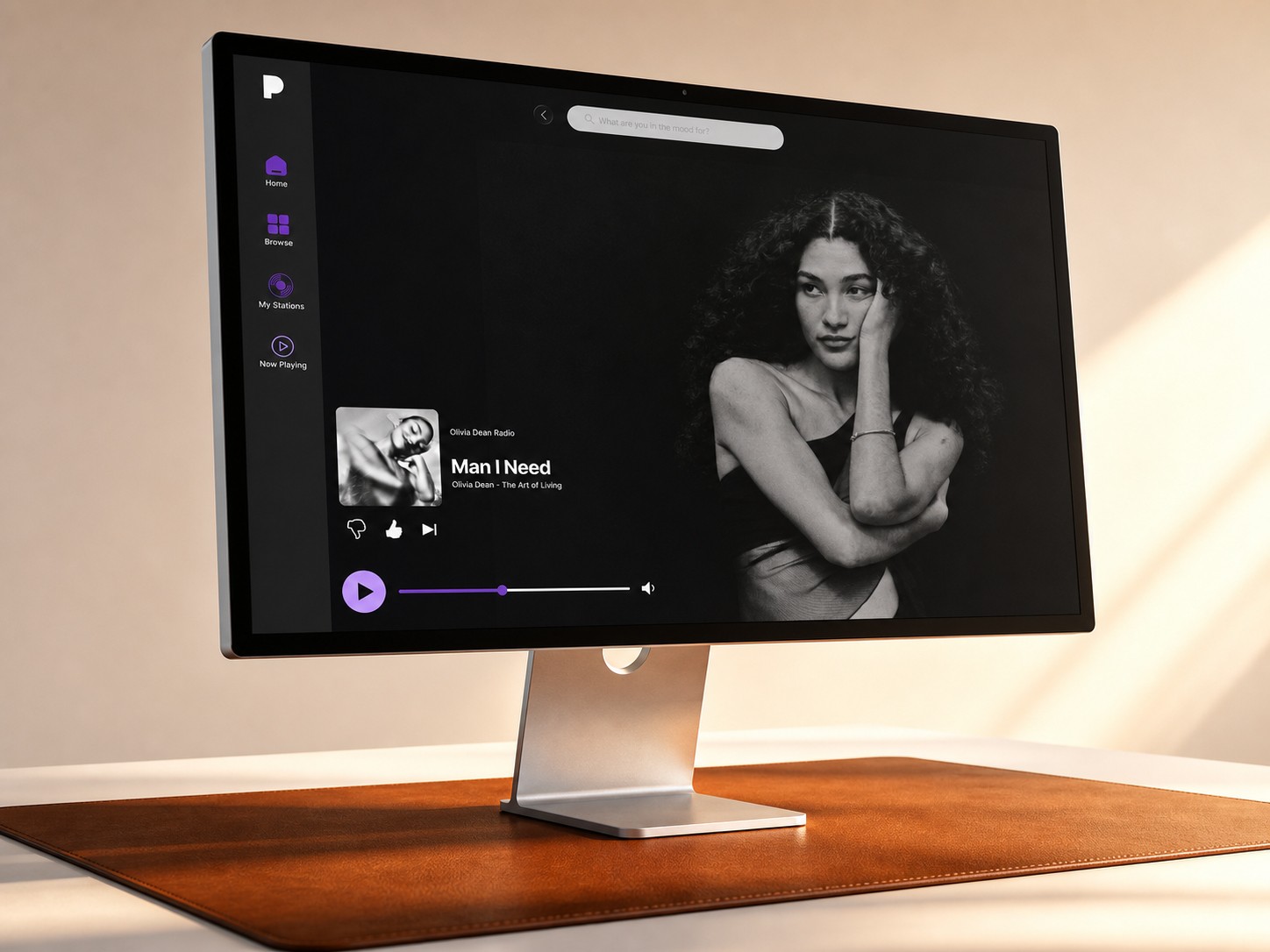
Users weren't losing trust in the algorithm. They were losing patience with the interface built around it. Core interactions like thumbs up and down, Pandora's most direct feedback mechanism, became inconsistent and hard to hit across device sizes. The information architecture had accumulated years of feature additions without consolidation, leaving the sidebar fragmented and visually noisy. And the now playing state, the primary reason a user opens a music app, was visually subordinate to everything around it.
Solution
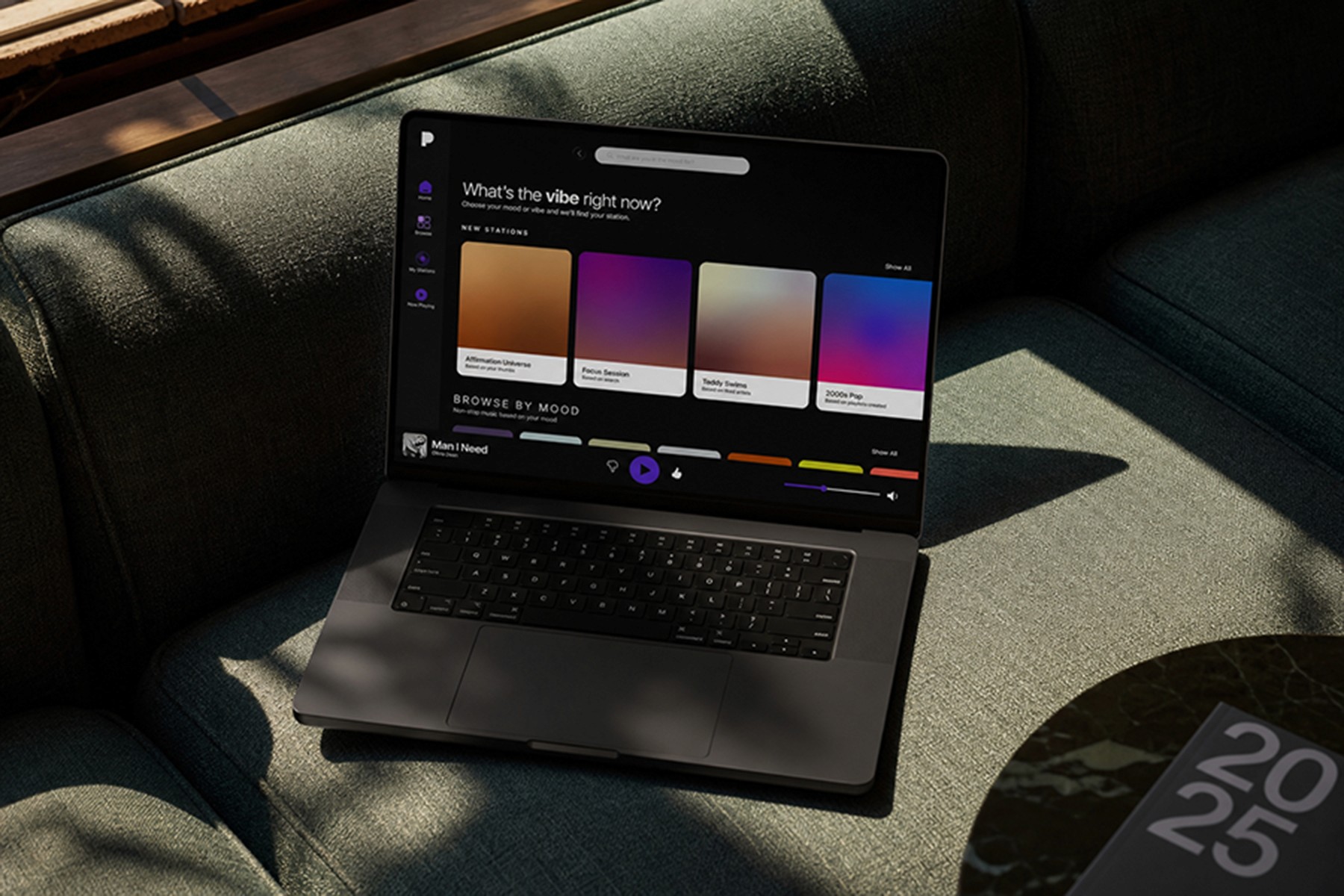
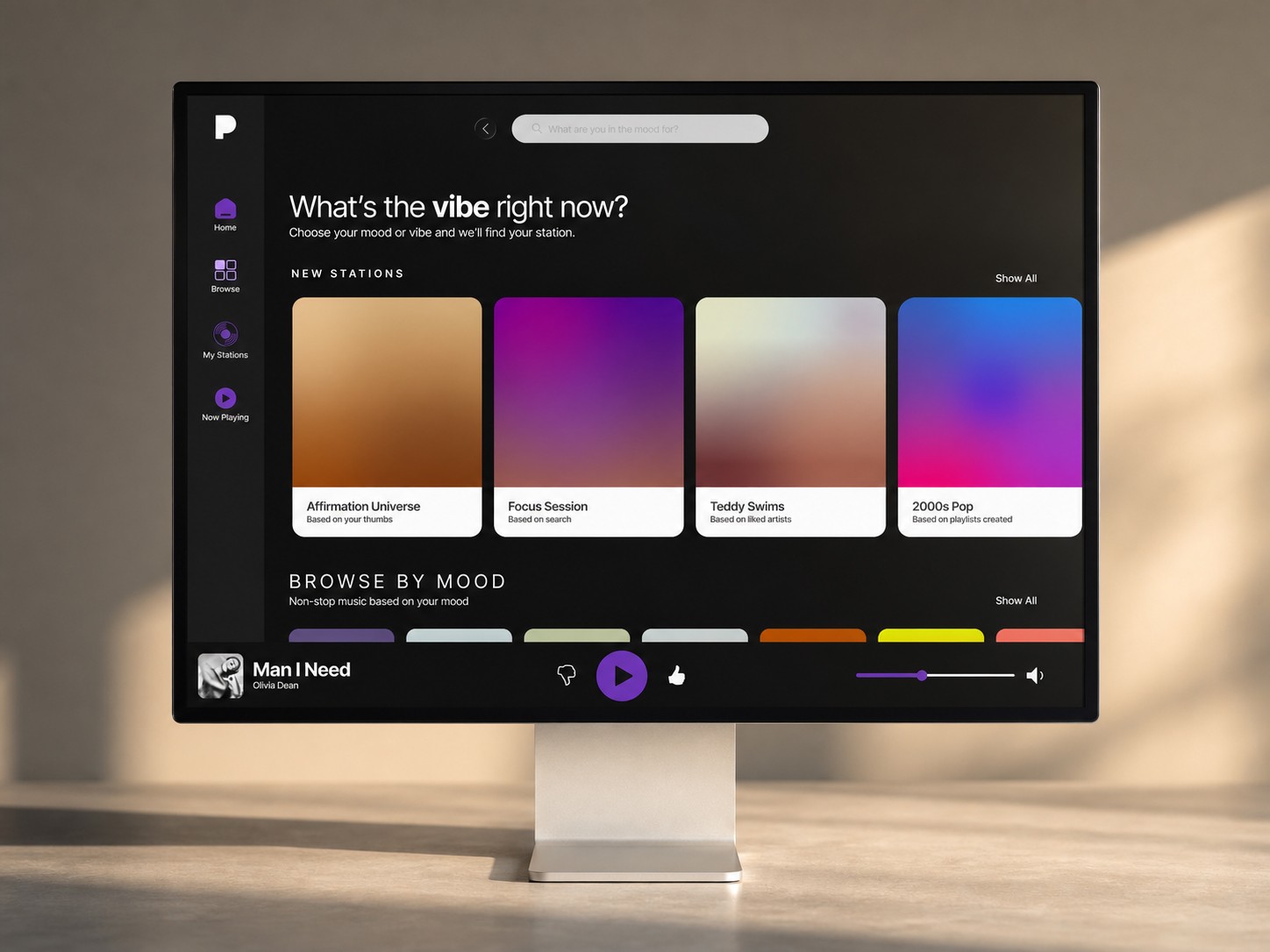
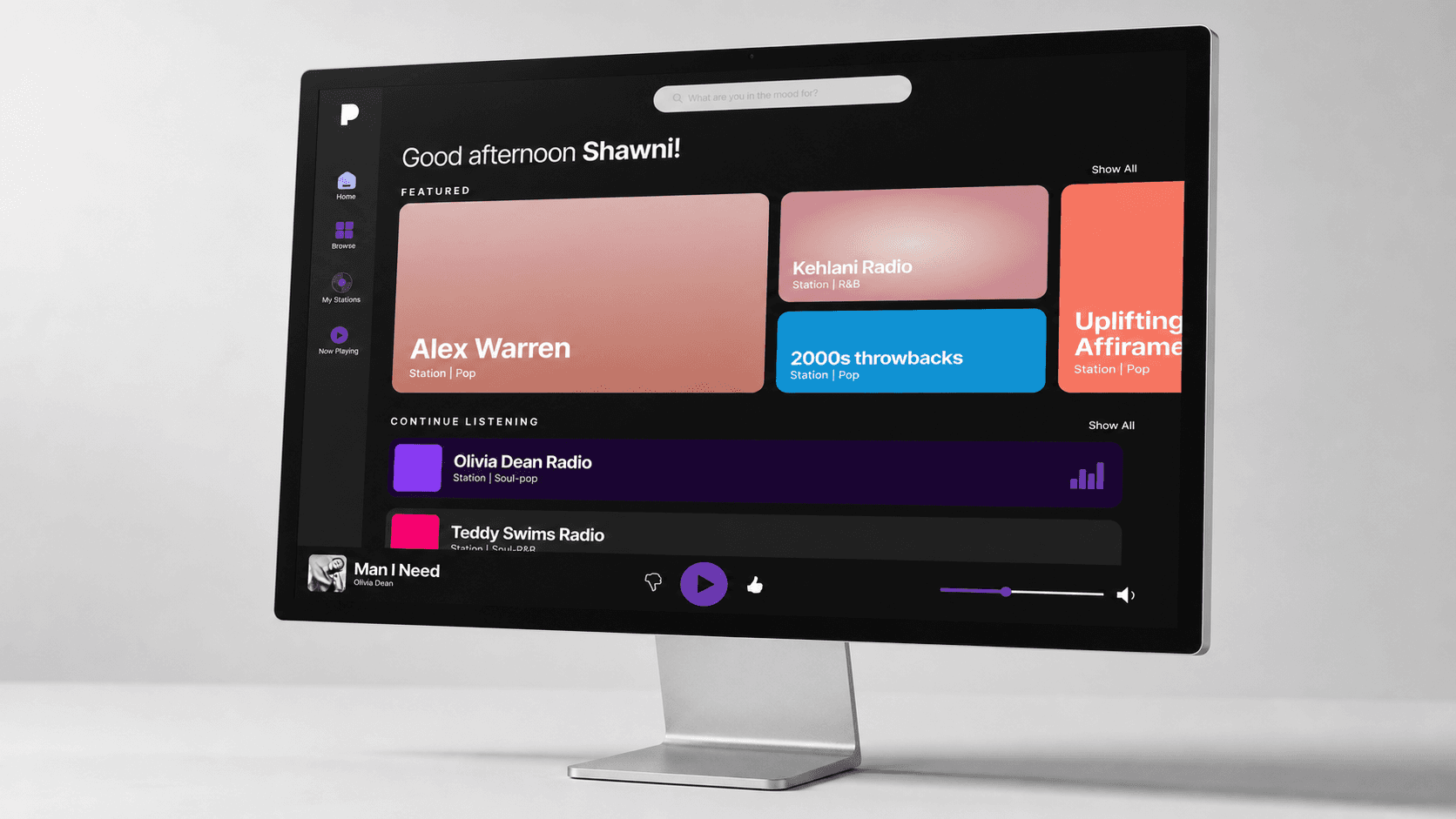
Navigation was consolidated to four items reflecting actual user behavior patterns, not feature inventory. Feedback controls were repositioned as the dominant interaction layer in the now playing view, with no competing visual weight. The card and grid system was replaced with full-bleed editorial photography, giving the listening experience visual hierarchy that matches its functional priority. Mood-based discovery made the recommendation logic legible to the user, shifting the experience from opaque personalization to transparent curation.


Thinking in systems while designing for human behavior
WE ARE CELLO
◆
QUALITY-FIRST STUDIO
◆